How Often You Should Stain Your Deck
People searching for how often you should stain your deck are usually looking to protect and maintain its appearance, and local contractors can provide expert guidance and services to keep it in top condition.
If you’re wondering how often you should stain your deck, you’re not alone. Property owners in the area often seek guidance on maintaining their outdoor spaces to keep them looking great and protected against the elements. Proper staining not only enhances the appearance of a deck but also extends its lifespan by shielding it from moisture, sun damage, and wear. Understanding the right timing for re-staining can help you avoid unnecessary work or premature deterioration, making it a practical concern for those who cherish their outdoor living areas.
Local contractors who specialize in deck staining can offer valuable insights tailored to the specific conditions of the area. They understand how factors like weather, usage, and the type of stain used influence the ideal maintenance schedule. Whether your deck sees frequent use or is mostly for aesthetic appeal, these service providers can help determine the best intervals for staining to keep your deck in top shape. Keep reading to learn more about how often staining is recommended and how professional services can support your deck’s ongoing care.
- Wood Decks - Local contractors recommend staining wood decks every 1 to 3 years to maintain protection against weathering and wear.
- Composite Decks - Service providers often advise staining composite decks less frequently, typically every 2 to 3 years, to preserve appearance and durability.
- Outdoor Structures - For pergolas and other outdoor structures, pros suggest staining every 2 to 4 years, depending on exposure and material type.
- High-Traffic Decks - Areas with frequent use may require staining annually or biannually to prevent damage and extend lifespan.
- Newly Built Decks - Local pros generally recommend waiting a year before staining a new deck, then establishing a regular schedule based on material and environmental factors.
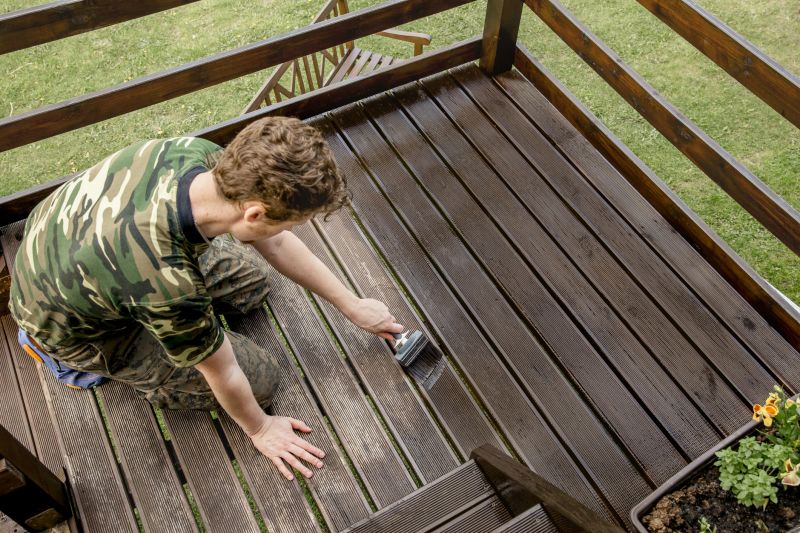
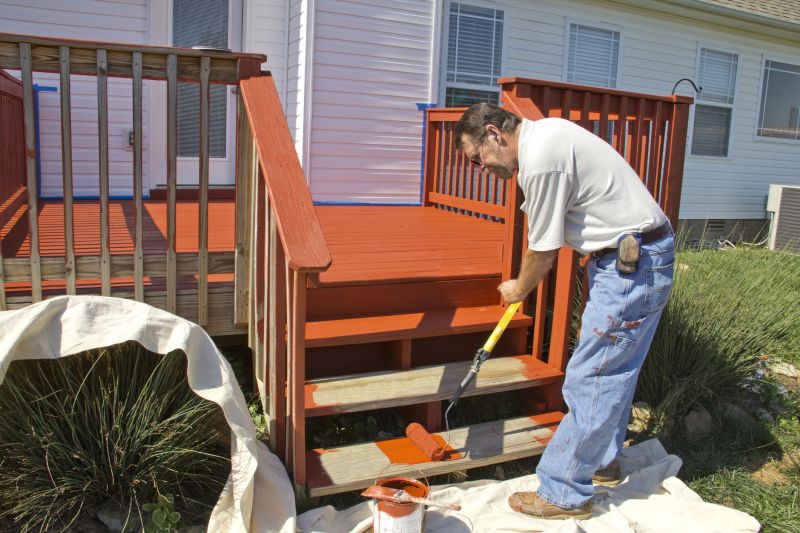

When homeowners search for how often they should stain their deck, they are typically seeking guidance on maintaining the appearance and durability of their outdoor space. This question often arises when a deck begins to look worn, faded, or weathered, prompting a desire to refresh its look and protect the wood from damage. Many people want to understand the ideal timeline for staining to prevent issues like cracking, peeling, or rot, which can compromise the deck’s longevity. This topic is closely linked to ongoing maintenance plans, ensuring the deck remains safe and visually appealing over time.
The need for staining usually relates to common problems such as exposure to sunlight, rain, and temperature fluctuations, which can cause the stain to fade or deteriorate. Homeowners with plans to preserve their deck’s natural beauty or extend its lifespan often consider stain application as part of their regular upkeep. It’s also relevant for those preparing for seasonal changes or anticipating heavy use during warmer months. The decision to stain frequently or infrequently depends on the current condition of the wood, the type of stain used, and the local climate, making it a practical consideration for property owners seeking to protect their investment.
Properties that come up frequently in discussions about staining schedules include residential homes with wooden decks, porches, or patios, as well as multi-unit complexes or rental properties with outdoor wood features. These properties often have high foot traffic or exposure to the elements, which can accelerate wear. People with new decks are interested in establishing a proper maintenance routine early on, while those with older decks want to restore or preserve their existing finish. Understanding the specific needs of different property types helps homeowners determine the appropriate frequency for staining, ensuring their outdoor spaces stay durable and attractive.
Local service providers specializing in deck staining can assess the condition of a deck and recommend an appropriate schedule based on factors like wood type, stain quality, and local weather conditions. They can also handle the preparation and application process, which is crucial for achieving a long-lasting finish. Homeowners should view staining as part of a broader maintenance plan that helps prevent costly repairs down the line. Connecting with experienced contractors ensures that decks are properly cared for and that the staining process aligns with the specific needs of the property, ultimately supporting the deck’s appearance and structural integrity over time.
Fence Staining Projects - These projects require similar surface preparation and staining techniques as decks, making them comparable for homeowners considering maintenance schedules.
Wood Patio Cover Refinishing - Refinishing wood patio covers involves staining and sealing, aligning with the skills needed for maintaining deck aesthetics and durability.
Outdoor Furniture Restoration - Restoring and staining outdoor wood furniture shares techniques and planning considerations with deck staining services.
Siding Staining and Sealing - Staining exterior siding involves similar surface preparation and application methods as deck staining, relevant for maintaining wood exteriors.
Pergola and Arbor Staining - These projects involve staining complex wood structures, requiring similar planning and surface treatment skills as deck staining.
Deck Repair and Reconditioning - Repair work often precedes staining, making it closely related to deck maintenance projects handled by local contractors.

When evaluating potential service providers for deck staining, it’s important to consider their experience with similar projects. A contractor with a history of working on decks comparable in size, material, and condition can offer valuable insights into how often staining is needed and the best approach for your specific situation. An experienced local contractor will understand the nuances of different wood types and finishes, helping ensure that the work is performed correctly and that the deck remains protected over time. Asking about past projects or reviewing their portfolio can provide a clearer picture of their familiarity with deck staining and maintenance best practices.
Clear written expectations are essential when comparing local contractors for deck staining services. A reputable provider should be willing to outline what the job will entail, including surface preparation, the type of stain used, and the recommended frequency of re-staining based on your deck's exposure and condition. Having these details documented helps prevent misunderstandings and ensures that both parties are aligned on the scope of work. It also allows homeowners to better assess whether the contractor’s recommendations align with general guidelines for maintaining a deck’s appearance and durability.
Reputable references and good communication are key factors to consider when choosing local service providers. Reliable contractors should be able to provide references from previous clients who had similar staining projects, giving insight into their professionalism and quality of work. Effective communication throughout the process-prompt responses to questions, clear explanations of procedures, and transparency about timelines-can make the experience smoother and more predictable. These qualities help ensure that the contractor understands your expectations and provides guidance on how often you should stain your deck to maintain its appearance and longevity.
Property owners often search for how often you should stain your deck when they are planning practical projects around their homes and businesses. Local pros provide Deck Staining services for everyday jobs and straightforward project options.
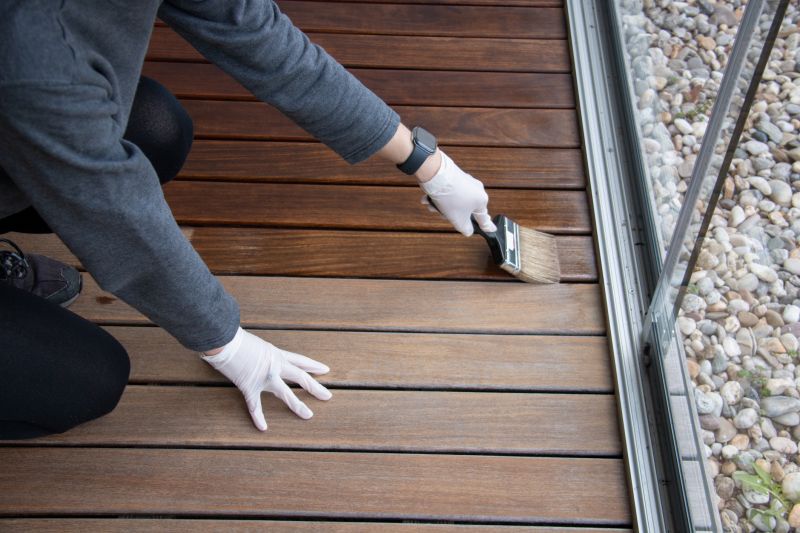
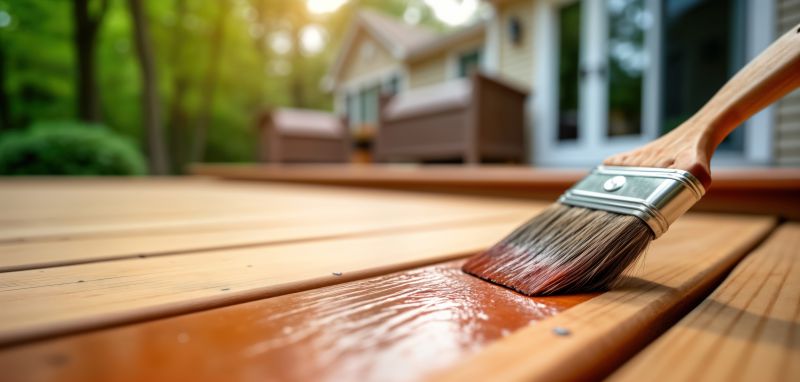
Understanding how often you should stain your deck is a common concern for property owners who want to maintain the appearance and longevity of their outdoor space. In everyday project situations, many homeowners in the area find themselves wondering if their deck looks faded or shows signs of wear, whether it’s time for a fresh coat of stain. Local contractors often recommend inspecting the deck annually and considering staining every two to three years, depending on the type of stain used and exposure to weather elements. Regularly scheduled staining can help protect the wood from moisture, UV damage, and general deterioration, making it a practical step in preserving the deck’s condition.
Property owners seeking to keep their decks in top shape may look into professional staining services when they notice signs of aging, such as peeling, graying, or fading. Simple reasons for scheduling a staining project include maintaining curb appeal and preventing more costly repairs down the line. Local service providers are equipped to evaluate the current state of a deck and recommend a suitable staining schedule based on its condition and usage. Connecting with experienced contractors can ensure the job is done properly, helping decks stay attractive and protected for years to come.
How often should I stain my deck to keep it protected? Typically, staining a deck every 2 to 3 years helps maintain its appearance and durability. Local contractors can assess your deck’s condition and recommend the optimal timing for staining based on its use and exposure.
Can the frequency of staining vary depending on the type of stain used? Yes, different stains may require reapplication at varying intervals, often ranging from 2 to 4 years. Professional service providers can advise on the best staining products and schedules for your specific deck.
How do I know if my deck needs to be stained again? Signs such as fading color, loss of water resistance, or visible weathering indicate it may be time for another stain. Local pros can evaluate your deck and determine the appropriate maintenance schedule.
Does the climate affect how often I should stain my deck? Climate conditions like sun exposure, humidity, and rainfall can influence staining frequency. Service providers familiar with your area can recommend the best staining schedule for optimal protection.
Is it better to stain a new deck immediately or wait? It's generally recommended to wait until a new deck has weathered for a few months before staining. Local staining professionals can advise on the ideal timing based on your deck’s condition and climate factors.
Consider the climate - in areas with high humidity or heavy rainfall, staining your deck more frequently can help maintain its appearance and durability.
Inspect the deck regularly - checking for signs of wear or fading can guide when to schedule staining services from local contractors.
Follow manufacturer recommendations - many stain products suggest reapplication every one to three years, which local pros can assist with.
Evaluate usage levels - decks used often or exposed to heavy foot traffic may require more frequent staining to protect the wood.
If you are thinking about how often you should stain your deck for a property, this guide is meant to help you understand this topic, the typical project types, and how different options might fit your plans.
When you are ready, you can use the quote form on this page to share a few details about your project. From there, local pros can review the basics and follow up with options that match what you have in mind.